The Science Behind Why Storytelling Sells
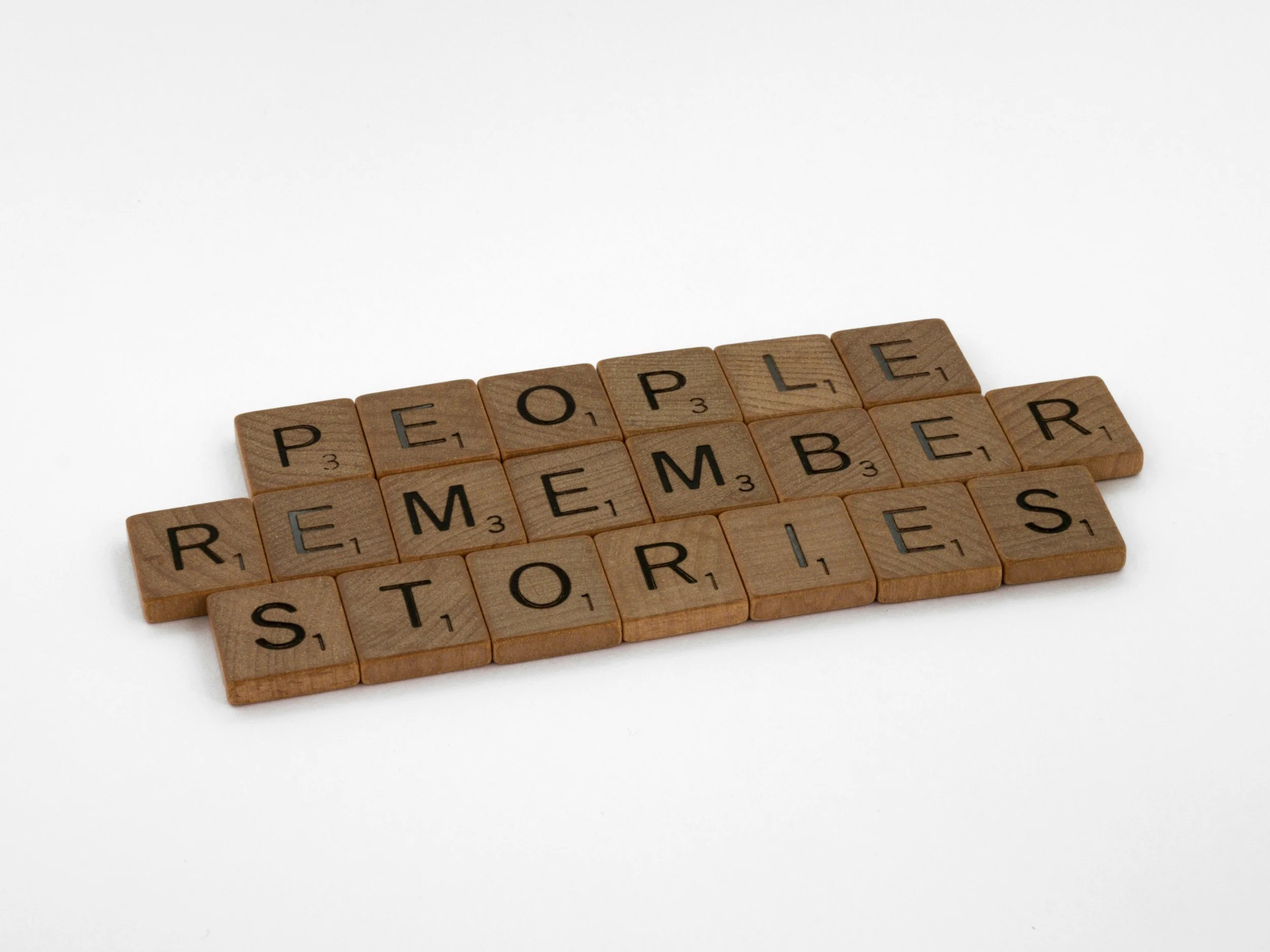
You’re Not Bad at Marketing, You’re Just Not Telling a Story!
If you’ve ever poured hours into a beautifully designed product, crafted an email listing all the features, and hit “post” with your heart pounding—only to get crickets in return—you’re not alone.
But here’s the good news: It’s not because your product is bad. It’s because your brain (and your audience’s) is wired for something else entirely:
Stories.
Let’s dig into the why—because there’s actual brain science behind the effectiveness of storytelling. And once you understand it, you can use it to your advantage, whether you’re selling candles or catechesis.
The Neuroscience of Storytelling: What Happens in the Brain
When you share facts or product specs, your audience processes them in the language center of the brain (Broca’s and Wernicke’s areas). Important, yes—but limited.
When you tell a story?
You light up their entire brain.
Stories activate:
The sensory cortex (so they can feel the texture of your product)
The motor cortex (so they can imagine using your product)
The limbic system (where emotion lives and decisions are made)
As neuroscientist Paul Zak famously put it, “Stories are the best way to activate parts of the brain so that a listener turns the story into their own idea and experience.”
In short: stories = empathy + engagement = memory + sales.
People Buy with Emotion, Justify with Logic
Most purchasing decisions are made emotionally and backed up with logic. We say things like:
“I chose that Catholic planner because I loved the mission.”
“I bought that rosary because the story of its maker moved me.”
“I joined that course because I felt seen.”
Your product features help rationalize the decision—but stories spark the desire in the first place.
The “Mirror Neuron” Magic
When someone hears or watches a story, their brain releases oxytocin (the “connection” hormone), and mirror neurons activate—causing them to feel as though they are experiencing what’s happening in the story.
So if your brand shares the story of a mom who found hope during postpartum depression because of your devotional book? Your audience doesn’t just hear it—they feel it.
That emotional resonance is what builds loyalty, trust, and yes, sales.
Still Not Convinced? The Data Speaks
Content with a clear story is 22x more memorable than facts alone (Stanford University)
Emotional marketing campaigns outperform non-emotional ones by 31% (IPA data bank)
Brands using storytelling increase customer engagement by more than 300% (Harvard Business Review)
You don’t need to be flashy, funny, or even “trendy.” You just need to tell the truth beautifully.
How to Put the Science into Practice
Try these storytelling tweaks in your next campaign:
Replace bullet points with a customer quote
Show a before-and-after transformation
Use your email subject line to tease a story, not a sale
Caption your Reel with a moment, not a mission statement
Share your “why” on a regular basis—even if you think everyone knows it