In 2020, the first year of this business, I launched a course called the Instagram Playbook. I'd poured everything into it… the content, the structure, the videos, the lessons I actually believed would help people. I worked late into the night on Thanksgiving Day to make sure everything was ready, because I'd decided Black Friday was the day it would go live.
It launched… to crickets. Over the next several months, I sold a small handful of spots. Eventually, I retired the offer entirely.
It wasn't a bad course. It wasn't even a bad idea. What it didn't have was a plan and I hadn't accounted for the fact that on the single most oversaturated marketing weekend of the entire year, every other creator and business was launching something too, at the exact same moment, competing for the same tired, overloaded attention.
That's the lesson this whole playbook is built around.
Why Black Friday and Cyber Monday Are Uniquely Hard to Stand Out In
Every business, in every industry, is trying to say something during this exact weekend. Discounts, launches, gift guides, urgency-driven countdowns… all of it hits at once, all competing for the same limited attention from people who are already overwhelmed by an inbox and a feed full of nearly identical noise. A perfectly good offer, announced the way you'd announce it on a normal Tuesday, simply gets buried. Standing out during this specific weekend requires more forethought than almost any other stretch of the year, not less.
What I'd Tell Myself Back in 2020
Effort is not a substitute for a plan. Working late on Thanksgiving felt like commitment. It wasn't strategy. A specific plan, finished weeks ahead of time, would have done more for that launch than any number of extra hours the night before.
A launch needs a runway, not a single moment. I launched cold, on the day itself, with no anticipation built beforehand. People need to see something coming before they're ready to act on it. A true plan starts building interest well before the actual weekend, not the moment it begins.
Generic doesn't survive a crowded weekend. My offer wasn't built around one specific kind of person with one specific problem, and in a weekend this loud, anything that isn't sharply specific gets lost in the noise almost immediately.
You have to account for everyone else in the room. I wasn't just competing with my own silence. I was competing with every other course, every other discount, every other business making noise at the exact same time. Planning for Black Friday means planning around that reality, not pretending it isn't there.
The Actual Playbook
Decide your offer weeks in advance, and make it specific. Say you run a candle shop — "20% off everything" gets lost instantly. A specific bundle, built for this exact weekend and framed around a specific use ("gift the whole cozy-night set"), gives people something to actually remember and describe to someone else.
Start building anticipation before the weekend starts. A week or two of "something's coming" content (teasers, countdowns, behind-the-scenes previews) does more than a single launch-day post ever will. People act on things they've had time to get curious about. I make a list of the deals I want to take advantage of during that period. For instance, my favorite essential oil purveyor always runs a bulk sale that I look out for.
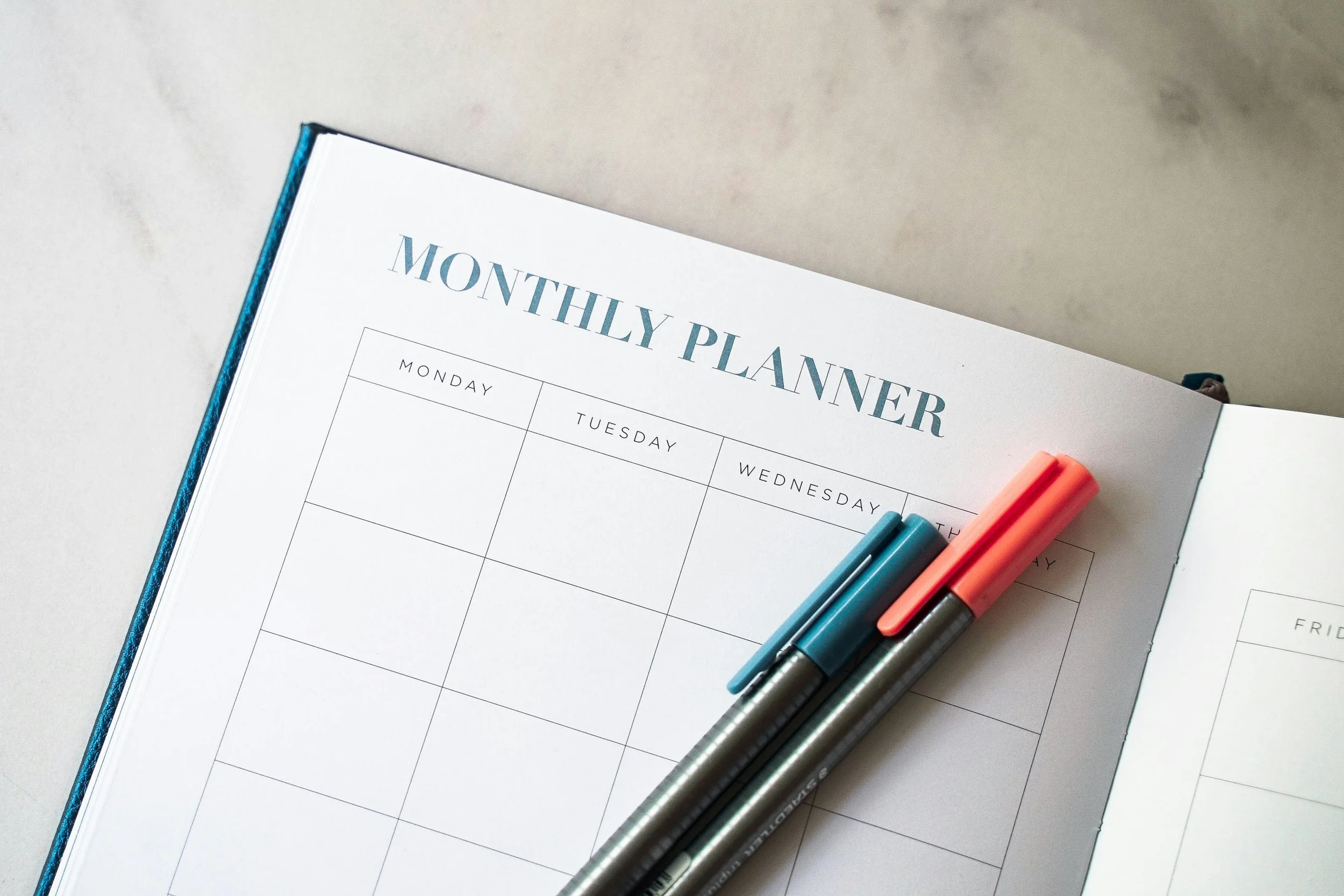
Map out content for the entire weekend, day by day, so you're not creating anything in the moment. Black Friday, Small Business Saturday if it applies to you, and Cyber Monday each deserve their own distinct content, not a repeat of the same post three days in a row.
Lead with what's actually different about your offer, not just the discount itself. In a weekend this saturated, the specific story behind an offer is what gets remembered. The discount alone rarely is.
Handle your logistics before the weekend, not during it. Test every link, confirm inventory or spots, and make sure the path from "interested" to "purchased" has zero friction. A great campaign can still fail if the technical follow-through isn't ready.
Plan a follow-up, not just a launch moment. Most people don't act the first time they see an offer during the busiest shopping weekend of the year — they're distracted by everything else competing for the same attention. A story reminder, a follow-up email, or a second post later in the weekend catches the people who meant to come back and didn't.
Decide what success actually looks like before the weekend starts. Sales are one measure, but list growth, new followers, or future interest can be real wins too, especially for a new offer. Deciding this ahead of time means you're evaluating the campaign fairly instead of only against a single number.
Looking Back
I don't actually regret the Instagram Playbook, even though it didn't work. It taught me so much about the business, my field, launching a course, and the chaos of that time of year, that I wouldn’t trade all the work (for little monetary reward) for anything.